We’re here if you have any questions
Contact Us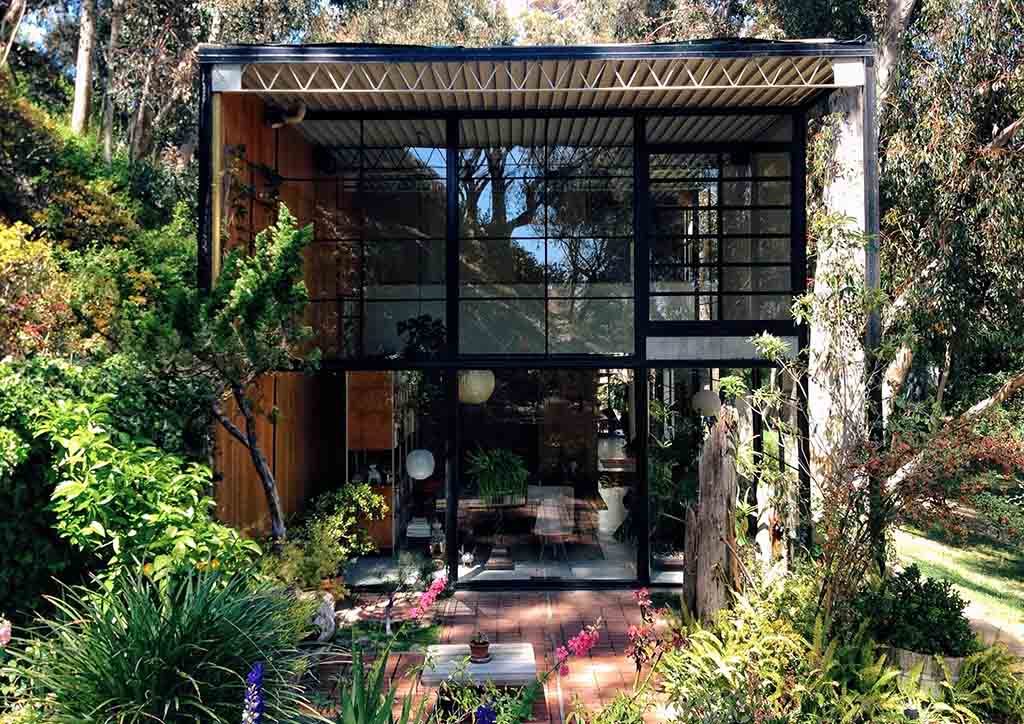
Telling Stories Through Materials in American Architecture
In the United States, landmark architecture often speaks quietly through material choices—sandstone that evokes landscape, glass that blurs boundaries, steel that underscores structure, and timber that honors sustainability. Here, we explore five iconic U.S. projects where the narrative unfolds through materiality—and how Venzer‑verified vendors play a critical role in sourcing these meaningful elements.

1. Smithsonian National Museum of African American History and Culture (Washington, DC)
Architects: David Adjaye with Freelon Group, SmithGroup, Davis Brody Bond
Materials: Bronze‑colored aluminum façade panels, steel framework
David Adjaye’s "Corona" façade tells a profound story of cultural resilience. Inspired by traditional Yoruban ironwork crafted by enslaved and freed African Americans, the bronze-infused aluminum panels are digitally molded and coated in a weather-resistant alloy. As sunlight filters through the patterned façade, visitors rise metaphorically and physically through history—from bondage beneath the museum to liberty above.
Material narrative: This façade is both technical and poetic—a modern aluminum reinterpretation of ancestral craftsmanship, using form to manifest memory.
Sourcing smart: Through Venzer, architects can search for aluminum panels and prioritize vendors that source historical materials, are Venzer-verified, experienced in custom-designed façade systems, and backed by structural engineering credentials.

2. 130 William (New York City)
Architect: Sir David Adjaye
Materials: Vesicular concrete, Pietra Cardosa and Nero Marquina marble, burnished bronze hardware
At 130 William, a volcanic-gray textured concrete façade evokes natural lava stone, giving the tower a geological narrative. Inside, cantilevered marble slabs and custom bronze fixtures create tactile dialogues—marble, wood, metal—each speaking to mass, gravitas, and refined luxury.
Material narrative: The building is a “miniature of itself”—a resonance between exterior tectonics and interior textures.
Finding materials: Venzer users can locate verified suppliers of textured concrete systems, specialty marbles, and bespoke bronze fittings. Profiles show performance data, project history, and third-party certification—all critical for design assurance.

3. Fallingwater (Mill Run, Pennsylvania)
Architect: Frank Lloyd Wright
Materials: Locally quarried sandstone, poured concrete terraces, Cherokee‑red steel window frames
Wright’s masterpiece tells a story of symbiosis with place. Sandstone walls blend into the cliffside, while bold cantilevers cling to the rock like tree branches. Red steel windows frame the forest views like brushstrokes on an easel.
Material narrative: Stone, concrete, steel—they narrate integration with nature and fearless innovation.
Venzer sourcing: Filter for suppliers of regional sandstone, custom-form concrete terrace systems, and powder-coated steel fenestration. Verified vendors can help you find materials symbiotic to your location and building site.

4. Carbon12 (Portland, Oregon)
Architect: PATH Architecture / Kaiser Group
Materials: Cross‑laminated timber (CLT), exposed wood finishes
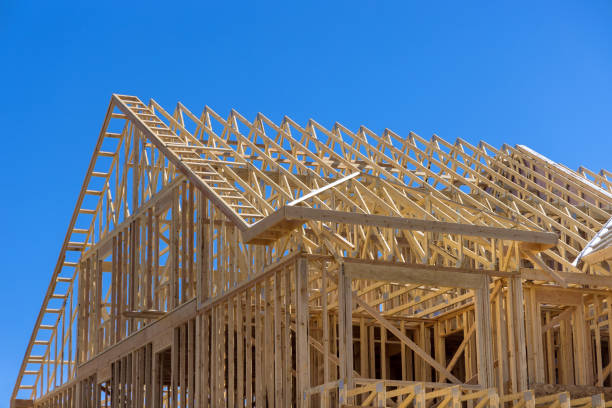
As the tallest mass-timber structure in the U.S. when completed, Carbon12 celebrates sustainable authenticity. Oregon-made CLT panels are left exposed in structure and finish, creating a narrative of carbon stewardship and natural warmth
Material narrative: Its name nods to carbon’s atomic number—this building is literally built from carbon, embodying low footprint and healthy interiors.
Sourcing wisely: Venzer users can search for U.S.-based CLT manufacturers with forest-certified sourcing, structural performance data, and laboratory documentation for mass timber use.

5. Case Study House Program – Eames House & Stahl House (California)
Architects: Charles & Ray Eames, Pierre Koenig
Materials: Exposed steel framing, full-height glass walls, prefabricated panels
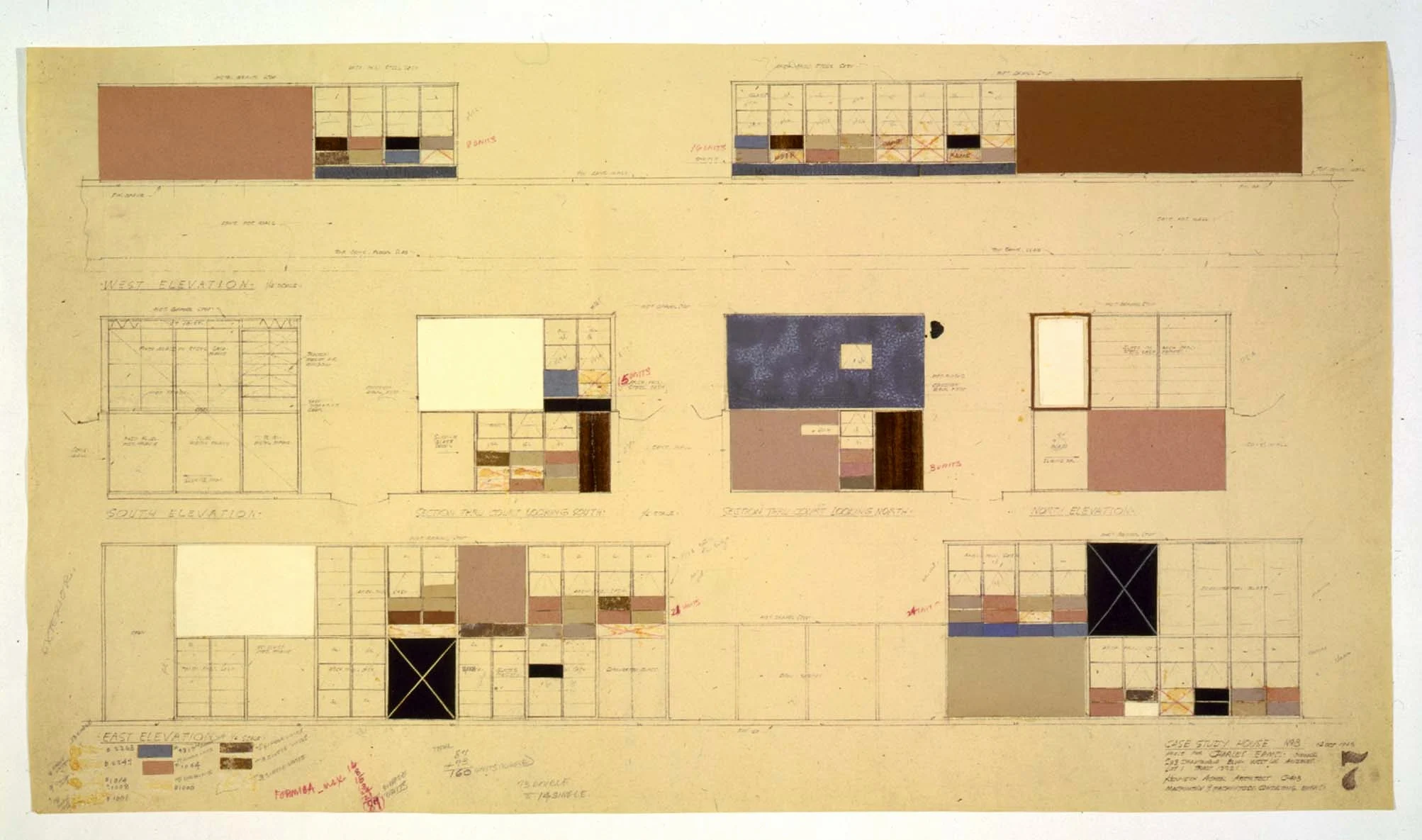
As part of the postwar experiment, the Eames House and Stahl House embraced industrial honesty. In Pacific Palisades, the Eameses’ steel-and-glass home used catalog-sourced steel H-beams and open-web joists, painted in subdued tones and left exposed. Similarly, the Stahl House floats over Los Angeles with its panoramic glass walls and steel skeleton.
Material narrative: Transparency, openness, and the beauty of engineered systems.
Sourcing via Venzer: Use filters for prefabricated steel frame systems and structural curtain walls. Verified suppliers offer thermal performance, installation history, and postwar architectural references.
Why Material Stories Matter
Contextual resonance: Selecting a material with a local or cultural tie cements a building within its setting, reinforcing narrative links.
Emotional texture: Materials like marble, timber, or bronze evoke memory, tactility, and depth.
Light and movement: Kinetic façades, reflective metals, or transparent glass change with time and weather, telling shifting stories.
Sustainability and honesty: Exposed structure and renewable materials communicate integrity, responsibility, and design clarity.
Technological narratives: Innovative use of concrete forms, CLT, or prefabrication signals progress and forward-thinking design.
Sourcing Narrative-Driven Materials with Venzer
1. Curate by story, not just spec
Search terms like “textured concrete,” “mass timber,” or “heritage aluminum panels” should be driven by narrative intent—does the material amplify place, craft, or innovation?
2. Trust the verification
Venzer’s badge ensures vendors are vetted on quality systems.
3. Compare materials confidently
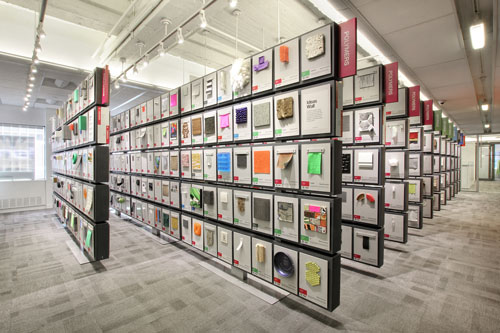
Side-by-side comparisons show lead time, source region, environmental certifications, and past projects—all key for storytelling.
4. Request samples and docs
Secure physical samples and structural test results. A vendor’s ability to document their materials shines through when they're Venzer-verified.
5. Build partnership
Many Venzer listings share nuanced project experience—like supplying panels for museum façades or residential towers—enabling better alignment with design narrative.
Sources
Smithsonian Institution: https://nmaahc.si.edu
Adjaye Associates project page: https://www.adjaye.com/work/smithsonian-national-museum-of-african-american-history-and-culture/
ArchDaily: “Smithsonian National Museum of African American History and Culture / Freelon Adjaye Bond SmithGroup”
https://www.archdaily.com/
Adjaye Associates: https://www.adjaye.com/work/130-william/
Architectural Digest: “David Adjaye’s First New York City Skyscraper”
Dezeen: “David Adjaye completes 130 William skyscraper in Manhattan”
Fallingwater official website: https://fallingwater.org
Frank Lloyd Wright Foundation: https://franklloydwright.org
PATH Architecture: https://www.patharchitecture.com/
ArchDaily: “Carbon12 / PATH Architecture”
WoodWorks.org: “Mass Timber Case Study – Carbon12”
Eames Foundation: https://eamesfoundation.org/
USC School of Architecture – Case Study House Archive
Verification Process: https://venzer.com/verification-process/
Vendor Guide: https://venzer.com/vendor-guide/
















Stay in the loop with platform updates, success stories, and industry news.