We’re here if you have any questions
Contact Us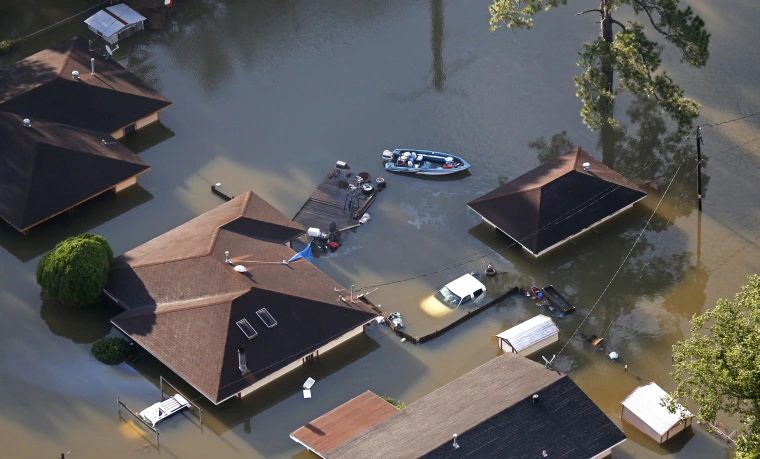
Strategies for smarter sourcing, resilient supply chains, and reliable vendor partnerships
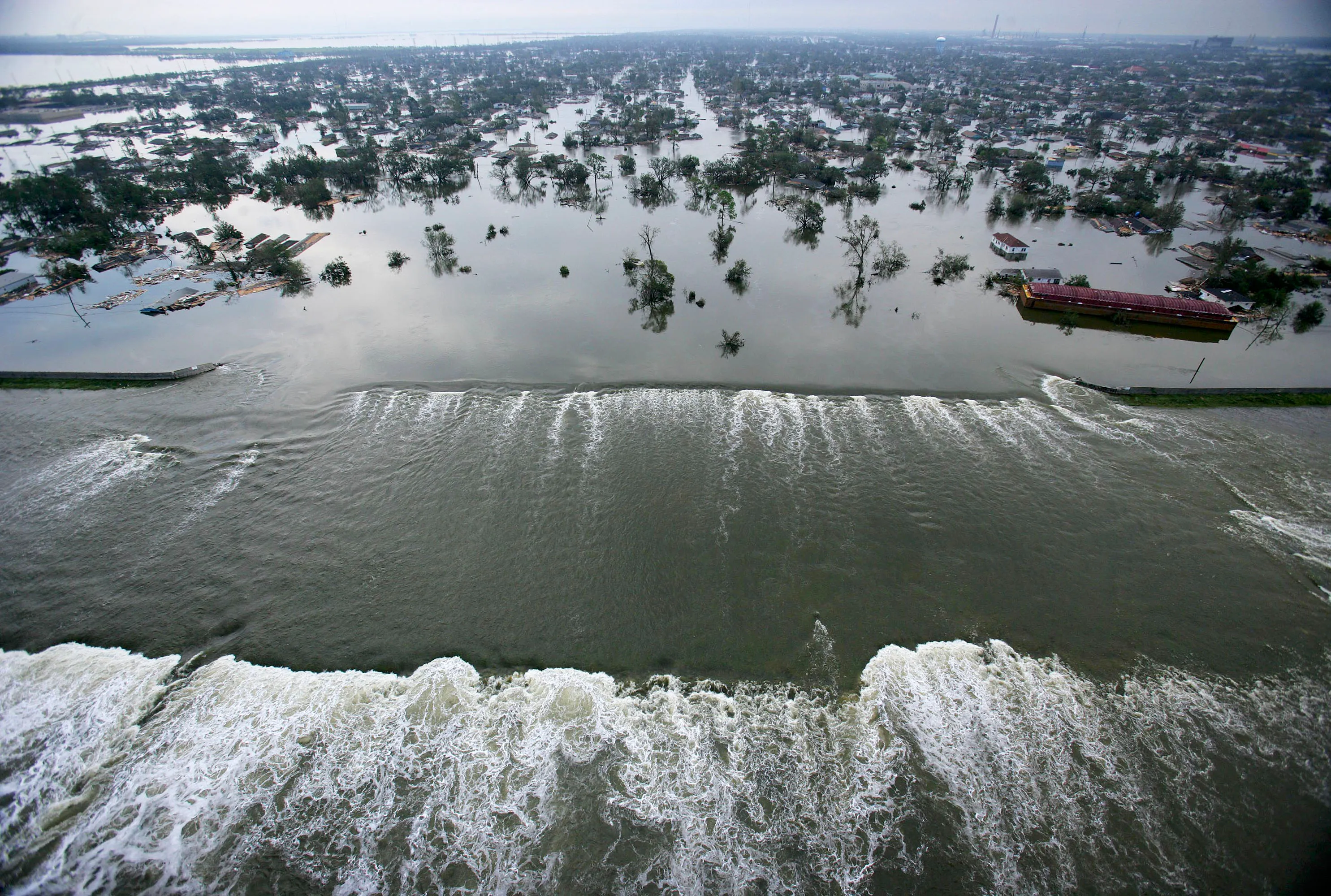
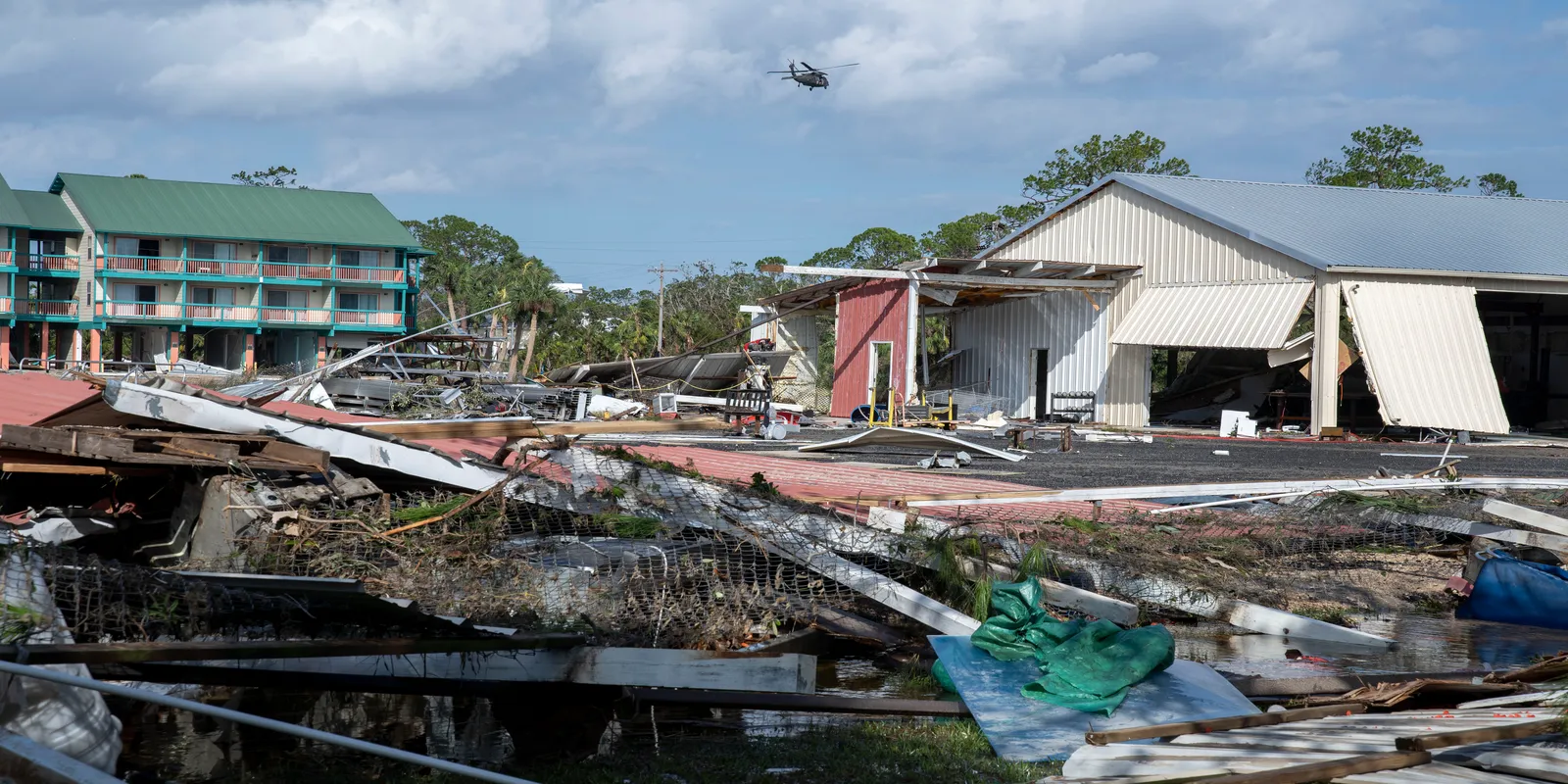
In August 2017, Hurricane Harvey swept across the Gulf Coast and devastated Houston, Texas. Over 103 lives were lost, tens of thousands were displaced, and the total damages reached a heart-wrenching $125 billion, making it one of the costliest natural disasters in U.S. history and on par with Hurricane Katrina.
Six years later, the lessons remain. The storm exposed critical vulnerabilities in material procurement, supply chain flexibility, disaster readiness, and the challenges of choosing the right construction vendor under pressure. As we prepare for future storms, it’s vital to understand how procurement changed and how innovative marketplaces like Venzer can help solve these challenges today.
The Procurement Surge: Chaos and Demand Spikes
After Harvey, Houston saw extraordinary surges in material demand. Searches for “steel building suppliers” spiked 1,700%, while interest in plywood and drywall rose by 400%. Buyers raced to secure materials for rebuilding, flood repairs, structural rehab, and emergency work. But with federal rebuilding funds delayed by an average of two years, private and municipal buyers had to prepare materials and stockpile ahead of funding availability.
Thus, procurement teams lacked real-time capacity to source materials at scale while funds were uncertain, highlighting the importance of agility and readiness in construction material sourcing.
The Supply-Demand Mismatch: Ad Hoc Overload
Demand for aid materials flooded in from everywhere, with aid agencies, utilities, contractors, and homeowners all seeking supplies simultaneously. Many companies reported surpluses on hand but lacked systems to match those resources with the right end-users.
The idea of a unified “registry” circulated: a digital platform where suppliers could log excess inventory, and buyers could post requests. Yet legal, financial, and ownership complexities stalled implementation.
In disaster scenarios, procurement processes must be centralized and transparent to quickly match supply with urgent demand.
Readiness Pays Off: Prepared Firms Rebounded Faster
Research shows a strong correlation between preparedness and recovery success. Companies that invested in disaster resilience that installed generators, secured lines of credit, and implemented flood barriers recovered more quickly. Many were fully back to normal operations within six months of the storm.
A lesson for procurement is to build resiliency before disaster strikes. Well-prepared supply chains, financial buffers, and adaptable vendors make recovery feasible.
What It Takes to Prepare Material Supply Chains
Leading up to storms, effective procurement strategies include:
These steps smoothed the transition from crisis to recovery which helps mitigate disruption and preserve the availability of materials.
Persistent Challenges: Construction Vendor Reliability
Even with proactive planning, disaster procurement still depends on having reliable construction vendors nearby who can deliver at scale and quickly. Post-Harvey, many buyers found that vendors were overbooked, short-staffed, or ill-equipped to respond. Poor delivery coordination, incorrect shipments, and pricing confusion were common.
The urgency of recovery combined with late funding approvals meant buyers couldn’t wait as the clock on rebuilding had already started ticking.
Lessons Learned: Post-Harvey Procurement in 5 Steps
Forecast Demand & Pre-Stage Materials
Anticipate material needs (steel, plywood, drywall, pumps, fuel) and begin procurement before funds arrive. Staging stockpiles in undamaged facilities prevents rush importation when disasters hit.
Vet Vendors Regularly
In non-disaster times, maintain a roster of verified vendors with proven capacity, delivery track records, insurance, and equipment redundancy to handle emergency surges.
Use Centralized Digital Platforms
Old-school spreadsheets and email threads collapse under pressure. A unified digital marketplace lets buyers see vendor inventories, pricing, and lead times across regions.
Enable Real-time Procurement & Communication
Immediate messaging, transparent quoting, and delivery tracking reduce the chance of errors and misalignments.
Coordinate with Aid Agencies & Governments
Build partnerships ahead of crises. Resource registries and material pledge can unlock unused inventories across sectors if used correctly.
When Disaster Strikes: Rapid Response with Venzer
This speed-of-response infrastructure helps bypass delays in federal funding, especially when buyers need materials right away.
Final Thoughts
Hurricane Harvey taught the construction industry a powerful lesson: backward-looking procurement and reactive sourcing won’t cut it during emergencies. Distinctive investments in preparation, flexibility, and reliable vendors are essential.
By embracing digital platforms like Venzer, the next generation of procurement managers can move from ad hoc rebuilding to confidently managing resilient, efficient, and transparent supply chains—whether for everyday builds or disaster response.
For contractors, municipalities, aid agencies, and property managers, now is the time to build disaster readiness into your procurement DNA. Let Venzer be the launchpad that ensures you're never again stranded by unmet demand, miscommunication, or unvetted vendors.
Sources
https://www.sciencedirect.com/science/article/pii/S0167268125001489#sec0022
https://www.nerc.com/pa/rrm/ea/Documents/NERC_Hurricane_Harvey_EAR_20180309.pdf






















Stay in the loop with platform updates, success stories, and industry news.