We’re here if you have any questions
Contact Us
Thank you! Your submission has been received!
Oops! Something went wrong while submitting the form.
For Vendors
For Customers
Explore
Home
/
News & Press
/
Effective Acoustic Design: Strategies for Controlling Sound in Architectural Spaces
#BuildingMaterials
#SupportLocal
#VendorTrust
#SustainableConstruction
#ConstructionTech
January 15, 2026

Our experiences within the built environment are profoundly influenced by our senses, transforming spaces through elements like light, texture, and sound. These sensory inputs trigger emotional responses that shape our perception of a space, be it open and inviting, cozy and quaint, or cold and unwelcoming. Among these sensory elements, sound plays a pivotal role in defining the atmosphere and functionality of a space. Architects, builders, and designers use various materials and techniques to manipulate the acoustic quality of any space.

What Are Architectural Acoustics?

Acoustics itself is a branch of physics concerned with sound and its properties. Architectural acoustics are how sound travels through a space or affects properties of transmission, absorption, reflection, and diffusion. Simplified, it’s how to make a room echo loudly or remain quiet. These effects are created through various aspects of the design process, from a space’s shape, size, ceiling height, and materials.

Making these specific design choices is dependent on the acoustic environment you want to cultivate and will differ from building to building. Ana Jaramillo and Chris Steel’s book Architectural Acoustics is a technical guide we’ll be referencing throughout this blog to understand the fundamental theories and strategies for designing and constructing buildings optimized for the ideal acoustic conditions.

Four key design factors to consider throughout the building process include the expected use of the space, the comfort and wellbeing of staff, the noise impact of existing neighbours, and the expectations of the end user.

Selecting the appropriate materials can be intimidating, but understanding their acoustic properties can guide this process. This blog will outline the ideal materials and strategies for different building programs, using tools such as Venzer to find the right materials for your project’s specific acoustic needs.

Types of Sound

Sound reflection is sound waves bouncing off a surface and is dependent on the material of the surface. When used strategically, sound reflection can make a space feel more spacious. Examples of reflective materials include concrete, metal, and glass.

Sound absorption reduces reflection by converting sound energy into heat. When correctly implemented it can improve speech and music intelligibility. Examples of absorptive materials include mineral wool, foam, and fibreglass.

Sound diffusion scatters soundwaves in different directions which create a sense of immersion. Wood is most commonly used for sound diffusion.

Soundproofing Your Home

In both new and refurbished homes, outdoor and neighbor noises significantly impact satisfaction ratings of a space. Local building codes often have target values of noise (measured in dB) to ensure proper control of sound. (Jaramillo & Steel, 2014)

From a construction perspective, these requirements are often satisfied through using deliberate materials, thicknesses, and insulation for floors, ceilings, and walls. If you’re looking to change the acoustics of a preexisting home then consider the following:

Soundproofing Educational Buildings

International research has highlighted that acoustics in the classroom can impact on student memory retention and concentration levels. For students with hearing impairments or neurodivergencies, poor acoustic design increases potential for adverse effects on academic performance. (Jaramillo & Steel, 2014)

In recent years, there has been a notable rise in the incorporation of sensory rooms within various public institutions, including schools. These specially designed spaces aim to support individuals with sensory processing disorders through providing a specific room to regulate sensory and acoustic input. These rooms use materials to cater to different patterns of sensory integration, which can satisfy the varying needs of school-aged children (Nickels, 2023). To ensure thoughtful acoustic design for classrooms consider the following:

  • Zone noisy classroom activities away from dedicated quiet areas.
  • Use carpets to absorb noise.
  • Install acoustic panels to reduce reverberation.
  • Use partitions and screens to control noise transmission.

However, educational buildings host a variety of rooms that require different acoustics. Classrooms may stay on the quieter side while gymnasiums and auditoriums may be optimized with sound diffusion or reflection techniques.

Soundproofing Office Buildings

For people spending the majority of their day in the office, good acoustics are key not just for productivity but for overall wellbeing, as repeated exposure to unwanted noise can affect stress levels. Noise control is also crucial for fields where client privacy must be a considered factor (Jaramillo & Steel, 2014). Consider:

  • Place informal meeting and social spaces away from work requiring high levels of concentration.
  • Avoid placing doors to private office space on both sides of the separating partition between any two rooms.
  • Use storage areas to provide noise buffers between high noise areas and quiet spaces.
  • Position HVAC vents away from workstations to minimise direct noise exposure.

Sound For Theatres and Auditoriums

Speech intelligibility is of the utmost importance for events held in these venues. Audiences of Christopher Nolan’s 2014 film Interstellar complained at length that the film’s dialogue was muddled due to poor audio mixing and specific theatre acoustics. Theatres and auditoriums must balance amplification of sound with absorption to reduce distortion. To ensure ideal sound quality:

  • Move reflective surfaces above and to the front of the room help to direct sound down to listener positions.
  • Place acoustically absorptive materials towards the rear of the room to avoid long delays between direct sound and reflected sound.
  • Use carpeted floors to reduce footfall and reverberation.
  • Use upholstered seating to ensure even levels of sound when the space is half full.

Sound For Commercial Buildings

Often overlooked, commercial buildings use four key design factors to determine the necessary acoustic qualities of their space. (Jaramillo & Steel, 2014)

  • What activities will take place in this space? What are the requirements to achieve the expected use of the state?
  • Are excessive noise levels controlled to prevent hearing loss for staff?
  • Is it compliant with local requirements? Is it disturbing existing neighbors?
  • Does it fit user expectations? For example, can a cafe with an intended purpose of eating also accommodate patrons talking or live music?

With the basic theories and strategies for designing for acoustics we’ve discussed thus far, designing for commercial acoustics is understanding which materials and placements work best for the intended effect.

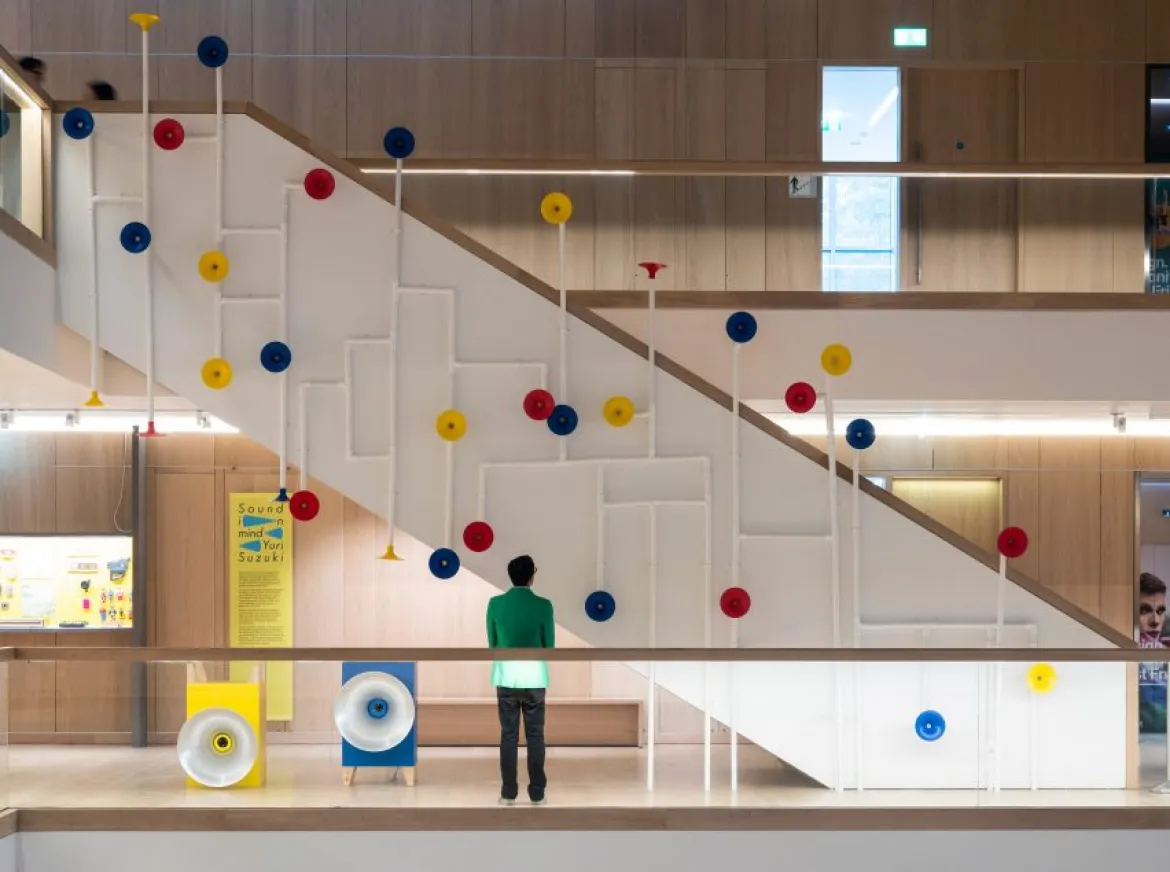
This process is made immensely easier through researching precedent projects that inspire both user practicality, affordability, and fun! Consider adapting tools such as colored acoustic panelling or specific types of wood to match your project’s visual aesthetic. For inspiration on creating acoustic experiences, peruse the installation work of designer and musician Yuri Susuki and create a board on Venzer to compile ideas and material vendors for your next project.


Explore more
#BuildingMaterials
#ConstructionTech
#SupportLocal
Top Ten Tips to Save Money on Your Dream Home Renovation
Building Materials
January 15, 2026
#BuildingMaterials
#ConstructionTech
#SupportLocal
How Transparent Transactions Help Construction Material Vendors and Customers
Building Materials
January 15, 2026
#BuildingMaterials
#ConstructionTech
#SupportLocal
Mastering Marble – A Family Tradition for More than a Century (Featured Vendor: TecnoMarmol)
Building Materials
January 15, 2026
No items found.
Venzer – Finding Local Construction Material Vendors
Building Materials
January 15, 2026
#BuildingMaterials
#ConstructionTech
#SupportLocal
We help Vendors Save on Marketing Services
Building Materials
January 15, 2026
#BuildingMaterials
#ConstructionTech
#SupportLocal
#SustainableConstruction
#VendorTrust
Therapy for the Invisible Materials Vendor - by Dr. Venzer
Building Materials
January 15, 2026
#BuildingMaterials
#ConstructionTech
#SupportLocal
#SustainableConstruction
10 North American Architecture Projects Using Sustainable Materials to Combat Climate Change
Building Materials
January 15, 2026
#SupportLocal
#BuildingMaterials
#SustainableConstruction
The Ultimate Guide on How to Storm-Proof Your Home for Hurricane Season
Building Materials
January 15, 2026
#BuildingMaterials
#ConstructionTech
#SupportLocal
#VendorTrust
#SustainableConstruction
Top 5 Celebrity Homes: A Material-Driven Design Tour
Building Materials
January 15, 2026
#BuildingMaterials
#SupportLocal
#VendorTrust
#SustainableConstruction
#ConstructionTech
Effective Acoustic Design: Strategies for Controlling Sound in Architectural Spaces
Building Materials
January 15, 2026
#BuildingMaterials
#ConstructionTech
#SupportLocal
#VendorTrust
Eco-Friendly Home Renovation Tips: Sustainable Materials & Practices
Building Materials
January 15, 2026
#BuildingMaterials
#ConstructionTech
#SupportLocal
#VendorTrust
Learning From The World’s First “Net-Positive Energy” Botanical Garden in Florida
Building Materials
January 15, 2026
#BuildingMaterials
#ConstructionTech
#VendorTrust
#SupportLocal
Indiana Pacers vs. Oklahoma City Thunder – An Architectural Arena Showdown
Building Materials
January 15, 2026
#BuildingMaterials
#ConstructionTech
#SupportLocal
#VendorTrust
Concrete and the Environment: The Hidden Impact of the World’s Most Used Building Material
Building Materials
January 15, 2026
#BuildingMaterials
#ConstructionTech
#VendorTrust
#SupportLocal
How to Avoid Construction Fraud: Scams to Watch Out for and Smart Prevention Strategies
Building Materials
January 15, 2026
#BuildingMaterials
#ConstructionTech
#SupportLocal
#VendorTrust
Design Trends for 2025: Lessons from Love Island USA
Building Materials
January 15, 2026
#BuildingMaterials
#ConstructionTech
#SupportLocal
Venzer: The AI-Powered Marketplace Revolutionizing Construction
Building Materials
January 15, 2026
#BuildingMaterials
#ConstructionTech
#SupportLocal
Material Sourcing and Vendor Reliability Are Broken in Construction. Here’s How Venzer Fixes It
Building Materials
January 15, 2026
#BuildingMaterials
#ConstructionTech
#VendorTrust
#SupportLocal
How to Align Your Material Choices with Modern Design Trends
Building Materials
January 15, 2026
#BuildingMaterials
#ConstructionTech
#SustainableConstruction
Rebuilding After Hurricane Harvey: Smarter Material Procurement Strategies
Building Materials
January 15, 2026
#BuildingMaterials
#ConstructionTech
#VendorTrust
How the Right Building Materials Can Mitigate Hurricane Damage in Florida
Building Materials
January 15, 2026
#ConstructionTech
#BuildingMaterials
#SupportLocal
Why Material Vendors Need to Be Venzer Verified
Building Materials
January 15, 2026
#BuildingMaterials
#ConstructionTech
#SupportLocal
Telling Stories Through Materials in American Architecture
Building Materials
January 15, 2026
#BuildingMaterials
#ConstructionTech
#SupportLocal
#VendorTrust
Framing Modern Life: How Materials Shaped the Eames House
Building Materials
January 15, 2026
No items found.
Why Material Vendors Should Adopt LEED and WELL Certifications
Building Materials
January 15, 2026
#BuildingMaterials
#ConstructionTech
#SupportLocal
How to Market Your Business as a Building Material Vendor
Building Materials
January 15, 2026
#BuildingMaterials
#ConstructionTech
#SupportLocal
Local vs. Imported Materials in Construction: What You Need to Know Before You Build
Building Materials
January 15, 2026
#BuildingMaterials
#ConstructionTech
#SupportLocal
Design in Paradise: Materials, Innovation & Legacy in the Miami Beach Architectural District
Building Materials
January 15, 2026
#ConstructionTech
#VendorTrust
#BuildingMaterials
Material Vendors on the Front Lines: How Construction Supply Powers Disaster Recovery
Building Materials
January 15, 2026
#ConstructionTech
#BuildingMaterials
#SupportLocal
Q&A - What Every Vendor Should Know Before Joining Venzer
January 13, 2026
#BuildingMaterials
#SustainableConstruction
#ConstructionTech
Timber Tested: Real-World Lessons from Innovative Wood Construction Projects
Building Materials
January 13, 2026
#BuildingMaterials
#SustainableConstruction
#VendorTrust
How to Ensure Your Contractor Is Truly Building Green (And Not Greenwashing!)
Building Materials
January 13, 2026
#VendorTrust
#SustainableConstruction
#SupportLocal
Going Digital as a Small Vendor with Venzer
Vendor Trust
January 13, 2026
#BuildingMaterials
#ConstructionTech
Building for Everyone: How Accessible Architecture and Smart Material Choices Create Inclusive Spaces
Building Materials
January 13, 2026
#BuildingMaterials
#VendorTrust
#SupportLocal
How to Avoid Construction Fraud: Scams to Watch Out for and Smart Prevention Strategies
Building Materials
November 25, 2025

Subscribe to the Newsletter

Stay in the loop with platform updates, success stories, and industry news.

Thank you! Your submission has been received!
Oops! Something went wrong while submitting the form.