We’re here if you have any questions
Contact Us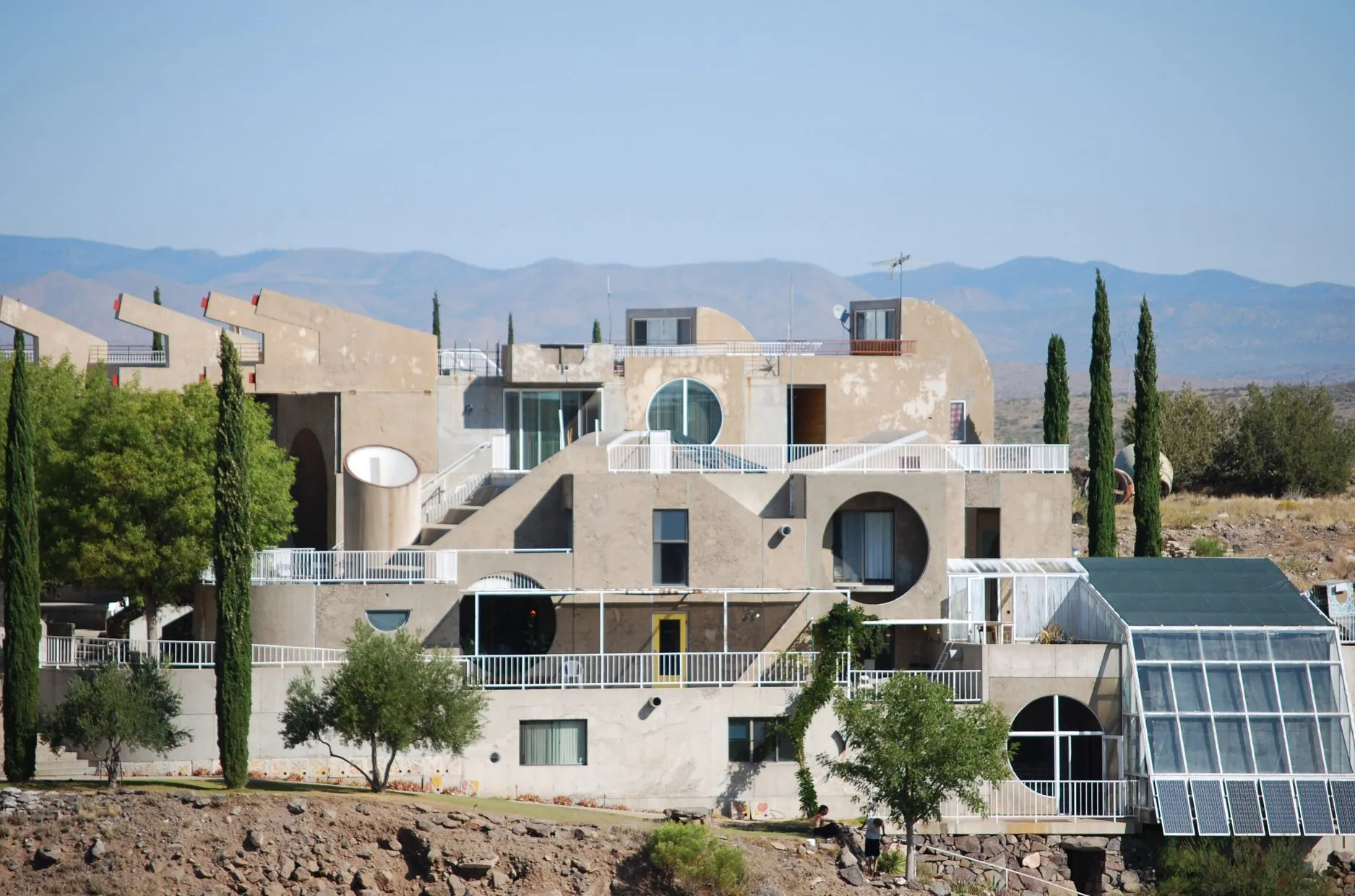
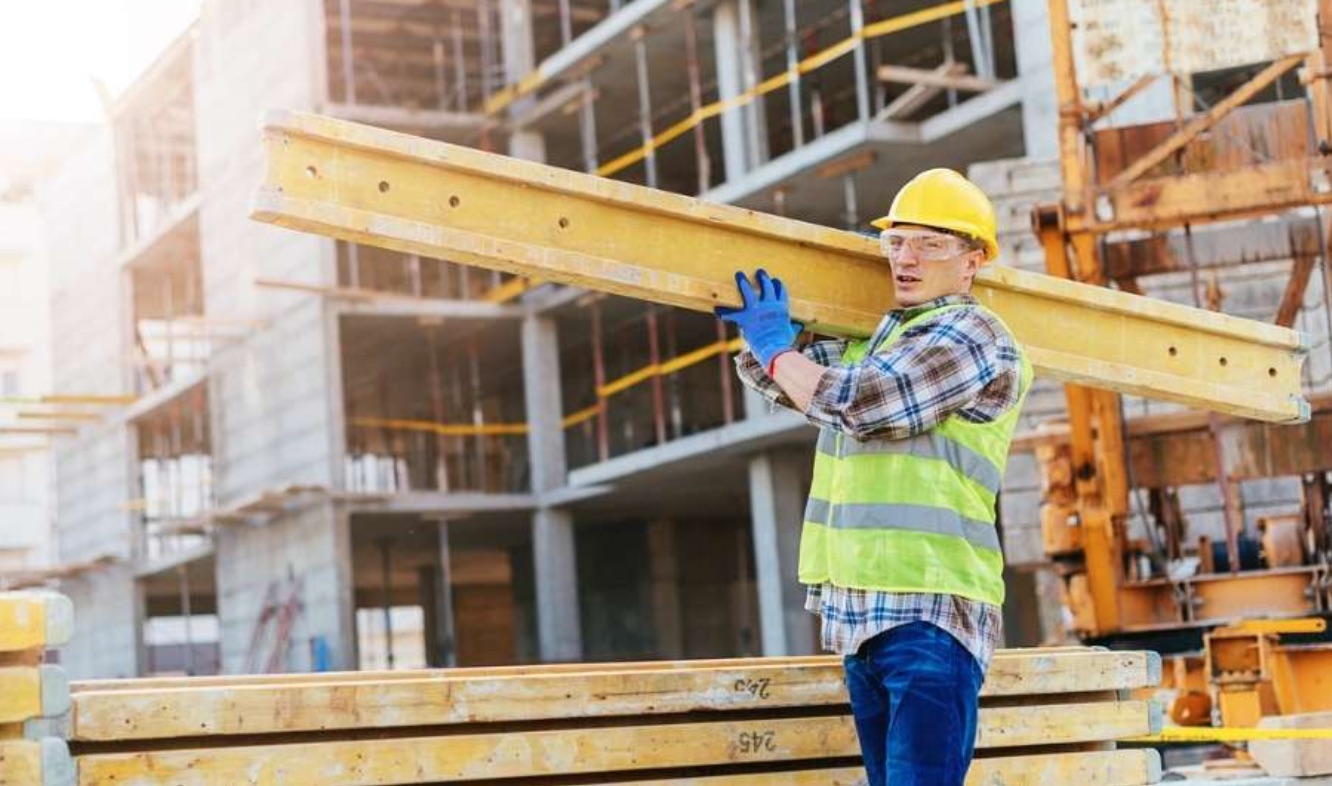
The integration of sustainable materials is crucial in mitigating the impacts of climate change. Materials such as reclaimed wood, recycled steel, and locally sourced stone reduce the carbon footprint associated with construction. Additionally, features like green roofs, solar panels, and rainwater harvesting systems enhance energy efficiency and resilience against extreme weather events. As the climate crisis intensifies, Venzer aims to connect customers in North America to sustainable materials and performance-based certifications like LEED to design buildings that reduce environmental impact, support healthier living, and withstand extreme weather.

Constructed from repurposed shipping containers elevated on 13-foot concrete pillars, the Flamingo Lodge is designed to withstand extreme weather events such as hurricanes and rising sea levels. This eco-hotel replaces a 1960s structure destroyed by hurricanes Katrina and Wilma, symbolizing resilience in an era of increasingly severe storms. (Travel + Leisure)

Built to withstand hurricanes, Babcock Ranch is a solar-powered town featuring 2,000 homes equipped with solar panels, home batteries, and electric vehicle chargers. The community also incorporates extensive ecosystem-based flood and wind defenses, creating a harmonious blend of technology and nature in climate adaptation. (CNN)

Located in the Soo Valley, the SoLo House is an off-grid alpine residence that utilizes prefabricated and modular construction methods. The passive house certified design emphasizes the use of low-energy systems and healthy materials, aiming to minimize environmental impact while maintaining functionality and aesthetics. (Perkins&Will)

This net-zero energy commercial building incorporates sustainable techniques such as the use of wood, natural ventilation, and solar energy. Designed to produce as much energy as it consumes, the Mosaic Centre serves as a model for sustainable commercial architecture in cold climates. (Living Future)

As the first Living Building Challenge-certified academic building in the Southeastern United States, the Kendeda Building utilizes reclaimed wood, solar panels, and rainwater harvesting systems. These features contribute to its net-zero energy performance and serve as an educational tool for sustainable design practices. (Georgia Tech)

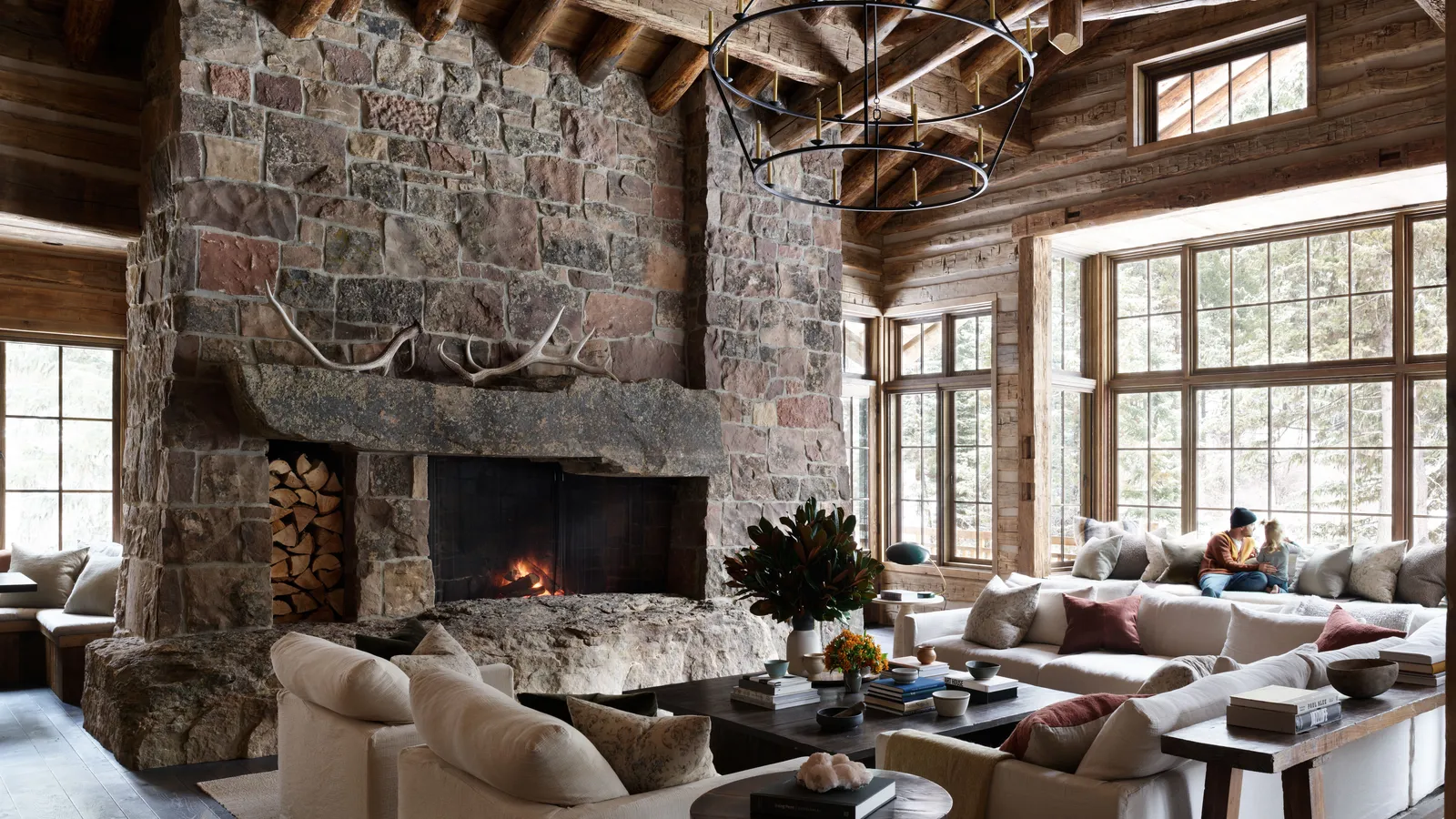
Designed to withstand extreme temperature fluctuations, this LEED Platinum-certified home employs structural insulated panels, passive solar heating, and a heat recovery ventilator. The use of locally sourced and reclaimed materials further reduces its environmental footprint. (High Plains Architects)

This 17-story office building features an aerodynamic design that reduces wind forces and minimizes the need for structural reinforcement. It also utilizes a chilled-beam system for temperature regulation and incorporates rainwater recycling to reduce water consumption. (CBT Architects)

Incorporating green roofs, permeable paving, and bioswales, this center manages stormwater runoff and reduces the risk of contamination to Ramsey Lake while also functioning as a two-storey structure housing offices, laboratories, and teaching spaces. The use of native plant species and limestone landscaping materials enhances local biodiversity and water quality. (Fast+Epp)

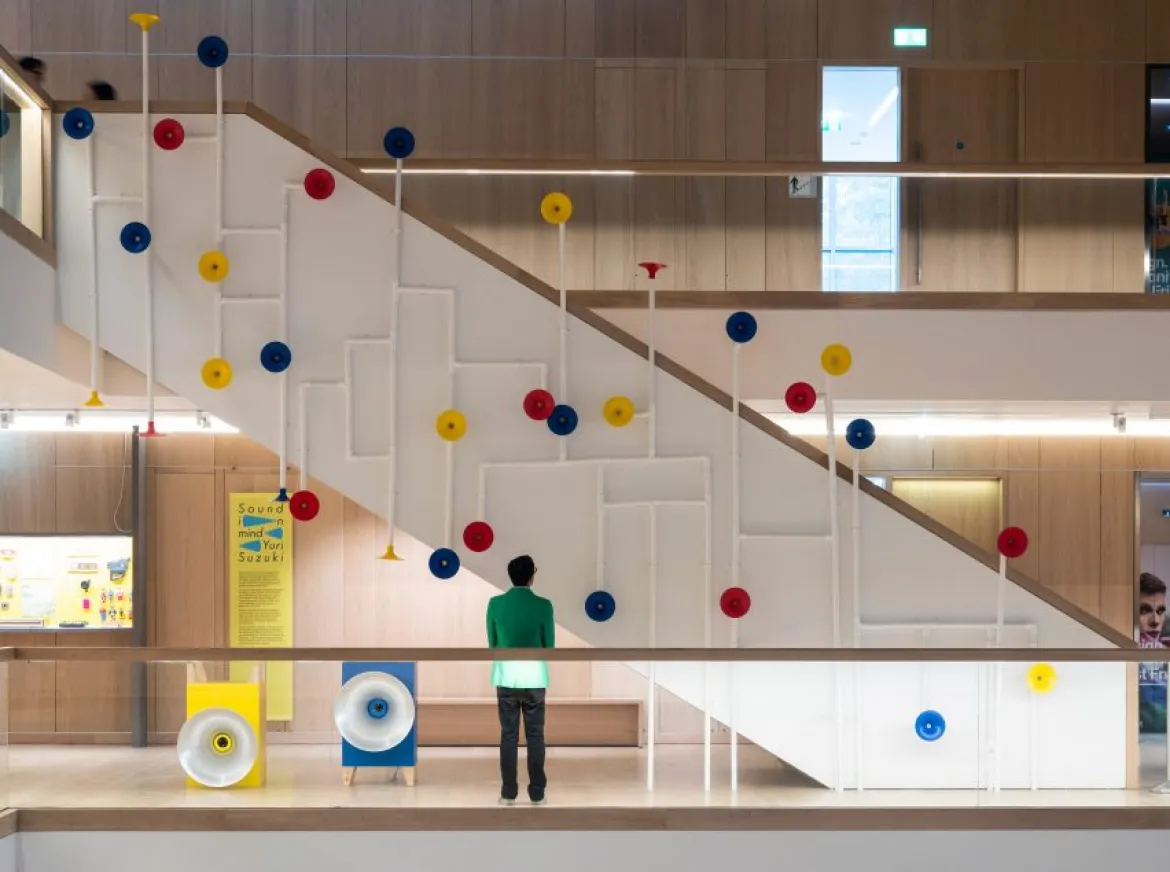
The Exploratorium's relocation to Piers 15 and 17 transformed it into the country's largest Net Zero Energy museum. The LEED Platinum certified building features a 1.3-megawatt solar grid, insulated windows, and a bay water radiant heating and cooling system utilizing geothermal exchange. (gb&d)

An experimental eco-city that looks straight out of a science fiction movie, Arcosanti integrates structures into the desert landscape using local materials and passive solar design. The project aims to demonstrate sustainable urban living through innovative architecture and community planning. (ft.com)
Venzer: Connecting Architects with Sustainable Materials
Venzer bridges the gap between architects and local vendors offering sustainable building materials. By providing access to a curated selection of eco-friendly vendors, Venzer supports the adoption of sustainable practices in architectural design. Explore materials that align with your project goals and sustainability objectives, fostering innovation and environmental stewardship in the built environment.



















Stay in the loop with platform updates, success stories, and industry news.